Pest Control: Powerful Plans to Preserve Your Dwelling and Enterprise
Primer to Pest Control
Pest Control relates to the oversight or organization of creatures defined as pests – biological entities that adversely impact human actions or surroundings. In New Jersey, a place where varied habitats join residential and built-up growth, effective Pest Control is not only a nonessential but a necessity for upholding healthy home and vocational conditions. From the vast residential areas of Monmouth County to the close localities of Matawan, pest problems can disturb each person, regardless of how immaculate or properly cared for their property may be.
The importance of using effective Pest Control tactics should not be emphasized enough. For residents, pests can wreck constructional stability, taint food resources, and pose major health risks. Enterprises confront these same obstacles, with the added worry of reputation damage and potential deficit of customers if infestations are identified. Standard pests in New Jersey incorporate rodents like rats and mice, multiple bugs such as ants, cockroaches, and bed bugs, and the exceptionally harmful termites that can silently impair a building's groundwork.
The Purpose Pest Control Is Essential
Health Risks of Pest Control Treatments
Multiple pests contain and transfer illnesses that can impact humans and pets. Rodents are acknowledged hosts of hantavirus, salmonella, and leptospirosis. Cockroaches can cause asthma attacks and hypersensitivity effects, especially in kids. Ticks, abundant in New Jersey's sylvan regions, are distinguished for spreading Lyme disease, while mosquitoes can convey West Nile virus and Eastern Equine Encephalitis. Qualified Pest Control enables alleviate these health dangers by destroying the source of these prospective disease agents.
House Destruction in Pest Control
The structural damage created by pests can be extensive and expensive. Termites solely bring about over $5 billion in building damage each year all over the United States, with New Jersey homes being specifically susceptible due to the state's weather. Rats and mice can chomp through electronic wiring, producing fire hazards, while their ongoing gnawing can injure weatherproofing, pipes, and timber architectural components. Even apparently safe ants can damage wood structures if permitted unhandled, particularly carpenter ants which are widespread in Monmouth County.
Economic Results of Pest Control Services
Ignoring pest outbreaks can cause major economic outcomes. What may start as a small infestation needing easy treatment can rapidly increase into a serious trouble demanding wide-ranging correction. For organizations, mainly those in the food industry or tourism businesses, pest infestations can produce deficient health examinations, provisional stoppages, and long-term destruction to image and client reliance. Allocating resources in consistent Pest Control is not solely about immediate contentment—it's a sustained financial safety measure.
Pest Control: Ordinary Household and Commercial Pests
Rats and Mice (Rats and Mice)
When it comes to discovering rodent invasions in your New Jersey home, attentiveness is key. You might notice waste near food stocks, in storage units, or under sinks. Gnaw marks on food wrapping, wood, and electrical cables are clear signals of their occupancy. At nighttime, you may distinguish scratching sounds in partitions, overhead surfaces, or under floors as these evening beings become lively. If you discover dwellings produced from torn documents, fabric, or dried plant material, that's a distinct indication rodents have created themselves home. Greasy rub marks beside baseboards and partitions show up as rodents apply the equivalent paths recurrently, while your pets may reveal atypical conduct such as barking or pawing at spaces below machines or furniture where rodents shelter.
Small mammals in New Jersey homes and firms create many dangers outside only irritation. They can corrupt food and making surfaces with pathogens residing in their liquid waste and feces. Their continuous requirement to bite can impair items, notably wiring, which produces fire threats. In Matawan and surrounding areas, the Norway rat and house mouse are especially complicated, succeeding in both built-up and residential settings. Powerful Pest Control approaches are critical to handle these destructive invaders.
Insects (Ants, Cockroaches, Bed Bugs)
Insect issues display themselves in diverse methods subject to the category. Ant troubles develop into clear when you see noticeable ant trails going to food supplies, or when you detect diminutive heaps of ground or wood particles generated by carpenter ants. Cockroach invasions often reveal themselves through dark dung akin to coffee grounds or black pepper, a unique moldy scent that permeates plagued areas, and the presence of egg shells in obscured corners. Bed bug predicaments materialize as rust-colored blotches on mattresses and furnishings, shed skins near sleeping zones, small blood smudges on sheets, and scratchy red lumps on skin typically placed in a series or collection.
Bugs exemplify the most various classification of pests in New Jersey. Cockroaches can initiate asthma and allergies while spreading several microbes. Bed bugs, while not disease vectors, bring about notable distress, sleep disturbance, and sentimental suffering. Particular ant species, like carpenter ants regular in Monmouth County's forested spots, can cause architectural injury equivalent to termites throughout time. Expert Pest Control providers can identify specific insect varieties and implement targeted remedy tactics that confront the distinctive actions and weaknesses of each pest.
Termites
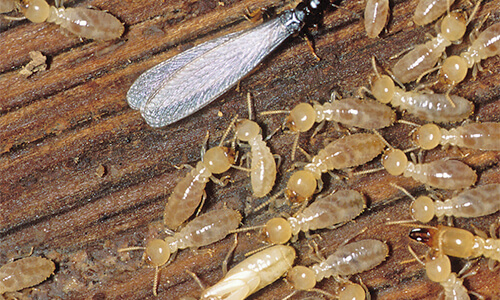
Detecting termite movement promptly demands grasping the understated signs of their presence. You may see discarded wings near casements and access points after swarmers have spotted a mate and formed a new population. Mud tubes on external partitions, timber beams, or in crawl voids serve as guarded highways for these damaging insects. Wood that rings void when rapped reveals termites have been feeding from inside. Entryways and openings that abruptly cling may reveal contorting from termite harm, while cracked or blistering paint resembling water injury often covers termite operation under. Spotting frass—termite excrement similar to minuscule wood-colored fragments—furnishes another corroboration of their unwelcome attendance.
Termites form perhaps the most considerable architectural hazard throughout all usual pests. In New Jersey, the Eastern subterranean termite is common and remarkably detrimental. These bugs can persist unsensed for seasons while inflicting extensive harm to lumber constructional pieces. Homes in Matawan and across Monmouth County, particularly older structures, are susceptible to termite problems. The mean cost of term pest control.
Pest Control Safety Considerations
Secure Application of Chemicals and Chemicals in Pest Control
As chemicals become needed in your pest control approach, emphasizing security requires attention to numerous vital procedures that safeguard people, animals, and the surroundings. Always examine and adhere to product guidelines accurately, as these legally-binding directions show thorough evaluation and official review designed to limit dangers. Apply the smallest effective quantity of pesticide to achieve control while limiting unneeded substance incorporation into your home area. Apply chemicals only in spaces stated on the product instructions, eliminating unauthorized applications that may produce unexpected dangers or reduce effectiveness. Utilize proper protective apparatus as specified by chemical companies to stop individual interaction during treatment. Keep substances in their initial bottles with labels intact to keep entry to safety data and stop mix-ups. Record thorough notes of all uses, recording chemicals applied, mixing ratios, spots serviced, and dates of application for later use. Allow adequate setting and airflow before reoccupying serviced areas, especially important in New Jersey's weather where dampness can affect curing durations. Evaluate safer substitutes when effective, as progress in pest elimination have created many safer choices that retain performance while lowering possible dangers.
Protecting Companions and Children During Pest Control Services
Special measures become essential when performing pest control measures in households with sensitive family occupants. Move companions during application and until spaces are set to prevent immediate contact with damp chemicals or vapors that could cause adverse effects. Protect or take away pet meals, drinking bowls, and toys before application to eliminate contamination that could cause accidental ingestion. Put children's toys away from service zones, particularly objects that young kids might insert in their mouths. Wash and sterilize food preparation surfaces after application, even if they weren't specifically treated, to get rid of any remains that might have collected during treatment. Hold children apart from applied areas for the specified time, prolonging this duration for mobile toddlers who have greater immediate interaction with floors and lower areas. Consider animal-friendly and kid-friendly product choices when available, as many current products target specific pest physiology while limiting mammalian toxicity. Most significantly, tell qualified applicators about the occurrence of companions, kids, or expecting household members before they design service approaches, permitting them to modify methods and chemical selections suitably.
Official Standards and Adherence with Pest Control
Pest control in New Jersey works within a legal structure intended to defend public safety and the environment while guaranteeing efficient pest elimination. The New Jersey Department of Environmental Protection supervises pest management operations, mandating expert pest management companies to achieve defined criteria. Firms must use licensed professionals who have cleared state tests showing expertise in pest biology, application approaches, and protection guidelines. These companies must copyright appropriate insurance insurance safeguarding both their specialists and their patrons from potential losses or harm related to pest elimination activities. Stringent requirements oversee chemical housing, transportation, and removal to eliminate natural pollution and unauthorized access. Specialists must provide Safety Data Sheets upon request, detailing the characteristics and dangers of chemicals utilized in applications. Alert standards apply for some applications, particularly in multi-unit residences or commercial locations with numerous tenants. Comprehensive service logs must be kept, forming an inspection history of pest control activities. Furthermore, only substances registered for use in New Jersey may be officially utilized, confirming that regional environmental situations and ecosystems have been evaluated in the licensing system. For industrial buildings in Matawan and throughout Monmouth County, additional guidelines may apply based on the field, specifically for food business, healthcare, and child care establishments where pest elimination meets with further public wellness factors.
Environmentally-Friendly Pest Control Choices
Integrated Pest Management (IPM) Approach
Combined Pest Management exemplifies the top benchmark in contemporary pest control, centering on sustained avoidance through a mixture of strategies that decrease environmental impact while maximizing success. The IPM process initiates with thorough evaluation and observation to identify pest infestation precisely, creating starting data about types present and population levels. This leads to accurate identification of pest species, confirming elimination work aim at specific behaviors and weaknesses rather than using universal methods. Specialists create threshold numbers that justify intervention, acknowledging that the basic detection of a handful of insects does not automatically call for intervention if amounts stay below damaging thresholds. When control turns essential, IPM applies numerous treatment strategies in cooperation, generally starting with safest methods and escalating only when essential. Throughout the process, specialists evaluate efficiency and modify methods as necessary, establishing a responsive method flexible to varying circumstances. Most significantly, IPM emphasizes protection over treatment, tackling construction and environmental elements that sustain pest populations rather than just eradicating present pests. Many pest control firms in New Jersey provide IPM-based programs that coordinate with the area's initiative toward minimal-impact pest treatment practices, notably in critical areas like educational facilities, health facilities, and food production operations.
Natural Management Techniques
Effective pest control often combines natural methods that can address or decrease pest issues without introducing products into the ecosystem. Structural obstacles such as filters, entry sweeps, and closing prevent pest entry totally, tackling the problem at its beginning. Direct methods like devices and prevention tools eliminate current organisms while blocking fresh arrivals. Organic controls featuring helpful creatures and bacteria introduce natural predators that focus on individual pests while maintaining advantageous life forms undamaged. Behavioral techniques adjust the surroundings to repel creatures, such as altering moisture routines to decrease water that attracts particular bugs. Living space alteration lowers shelter and feeding supplies, making sites minimally hospitable to problematic visitors. For some creatures like bedbugs, heat applications offer very efficient elimination without chemical leftovers by elevating temperatures over the heat death point for all developmental periods of the specific pest. Likewise, freezing approaches for stored item pests like food beetles or pantry insects can remove problems in edible goods without chemical residue. These techniques establish specifically useful in New Jersey's mixed settings, where proximity to liquid areas, preserved ecological locations, and thick community areas generates various conditions where toxic reduction turns preferable or needed.
Green Pest Control Management Methods
The pest control business continues to advance toward greater environmentally-friendly practices that preserve efficiency while reducing environmental influence. Botanical insecticides obtained from natural compounds like chrysanthemum extract, neem oil, and concentrated here extracts supply focused management with decreased duration in the environment. Organic agents including bacteria, spores, or organisms that attack individual pest organisms provide accuracy that typical wide-range substances can't match. Maturation controllers that prevent pest mating by interrupting with maturation cycles offer extended population control without direct harmful consequences on developed insects. Attractant systems that watch or interrupt pest pairing assist identify when control turns necessary and can avoid procreation in some types. The field more and more uses minimal-impact products with reduced ecological influence, transitioning away from older compounds with broader consequences on unintended species. Accurate treatment methods that decrease complete pesticide consumption apply applications exactly where needed rather than broadcasting chemicals around broad regions. Green certification schemes for pest control firms establish requirements for naturally preferable assistance and provide customers with obvious labeling of providers pledged to eco-conscious practices. In environmentally critical areas of New Jersey, containing sections of Monmouth County with closeness to aquatic areas, these sustainable approaches are notably valuable for preserving both personal wellness and ecological systems while still supplying successful pest control.
Finding a Local Pest Control Service Provider in New Jersey
Capitol Exterminating System
272 NJ-34
Matawan, NJ 07747
(732) 441-1900
Regularly Asked Questions (FAQs) about Pest Control
How regularly should pest control be carried out?
For the majority of New Jersey houses, quarterly pest control delivers appropriate safeguarding against recurring pest activity. This timing coordinates with the local distinct times, each bringing separate pest issues that require proactive consideration. Spring treatments commonly tackle appearing ant populations and overwintered organisms growing active. Warm season applications concentrate on mosquitoes, ticks, and multiple winged bugs that prosper in hotter climate. Fall applications arrange homes for small mammals and sheltering creatures pursuing harborage as temperatures decline. Winter procedures preserve protection against interior organisms while handling mouse and rat pressure at its greatest. However, this schedule may expand for properties with individual hazard aspects or ongoing problems that require additional intensive management. Houses adjacent to natural regions in Monmouth County may profit from further tick and mosquito control applications across top seasons. Properties with history of particular pest issues commonly require focused follow-up procedures above the regular quarterly routine. Industrial properties, notably dining business businesses in zones like Matawan, commonly demand monthly attention to maintain agreement with wellness rules and eliminate issues that could harm image and enterprise operations.
Is professional pest control secure for pets?
When performed correctly, specialist pest control can be safe for animals through cautious material picking and employment approaches that reduce contact. Current specific employment methods and lower-risk chemicals have substantially bettered safety features relative to traditional pest control methods. Current applications regularly utilize products especially developed to have low toxicity to creatures while keeping productive against intended creatures with alternative anatomies. Specialist applicators obtain training in treatment approaches that put products in locations pets cannot enter, such as structural voids, cracks and spaces, or beneath appliances. Nonetheless, animals should be removed while performing application and until all treatments have solidified entirely, obeying particular pause periods recommended by the product producer and technician. Water systems should be shielded and air pumps turned off while performing treatment to prevent infection from floating substances. Pet belongings containing sleeping areas, objects, and eating bowls should be relocated or enclosed during service. Review any concerns with your pest control provider, who can propose suitable delay times depending on the certain services employed and adapt approaches for residences with notably susceptible animals like avians or reptiles that may have separate physical weaknesses than felines and dogs.
What are the evidence of a serious pest invasion?
Past apparent pests themselves, various caution symptoms show potentially serious infestations demanding urgent pest control action. Strange scents frequently develop with big problems – stale, oily aromas may indicate small mammals, while sweet, distinctive smells sometimes occur with German cockroach populations. Unknown physical deterioration like sinking floors, rising coating, or deteriorating timber may reveal wood-destroying insect presence or wood-boring ant colonies ruining support pieces. Strange noises within barriers or upper spaces, especially at evening, often suggest rodent movement as these nocturnal organisms turn mobile in concealed areas. Too much dust resembling tiny wood particles around timber pieces may really be droppings or feces from wood-destroying organisms. Some residences face mysterious wellness troubles like respiratory troubles or itching that go away when absent from home, probably revealing bug infestations affecting interior atmosphere purity. In New Jersey homes, particular care should be given to underground and crawlspace locations where humidity troubles can support pest populations, specifically in established homes throughout Monmouth County where structural cracks and decaying cement create multiple access locations. Encountering numerous expired creatures of the same variety shows a more extensive group nearby, while fat stains along trim reveal set rodent trails with regular movement.
Can I stop insects without pest control substances?
Indeed, various insects can be eliminated through appropriate sanitation, blocking, and living space change without using toxic interventions. The cornerstone of alternative pest control begins with complete barrier work – sealing fissures, gaps, and holes that let organisms to enter properties in the first location. Placing door sweeps, repairing broken barriers, and filling service holes gets rid of usual access places. Taking away nutrition options through suitable food preservation in closed containers, quick clearing of accidents and bits, and frequent waste collection markedly minimizes magnets that draw insects indoors. Lowering dampness by repairing flowing fixtures, upgrading ventilation in humid spaces, and handling runoff problems stops the liquid supplies numerous insects need. Sustaining a buffer zone around properties by trimming plants, eliminating leaf waste, and keeping firewood off the ground and distant from properties decreases harborage areas and entry locations. Applying tangible blockades like copper material or steel material to stop bigger openings supplies enduring blocking for small mammals and rodents. Routine sanitation that involves vacuuming gaps and crevices removes pest offspring and nutrition waste that maintain pest development. For present invasions, however, some kind of elimination substance may be necessary to fix confirmed issues, though many reduced-danger options are offered containing natural silica dust, boron acid, and insecticidal cleaners that deliver lowered danger compared to standard products.
What should I prepare for during expert pest control application?
A qualified pest control treatment commonly initiates with a comprehensive assessment to recognize pest varieties, penetration locations, and supporting environments leading to the concern. The technician should spend attention reviewing both indoor and exterior zones, directing particular care to food preparation areas, bathing facilities, underground areas, and boundary bases where pest activity commonly accumulates. Following this examination, the technician should explain their findings in detail and suggest a application approach designed to your particular circumstances, talking about both the intended insects and the methods planned for controlling them. You may get setup instructions before procedure, possibly including relocating objects, removing particular spaces, or containing pets. During the application, the expert will apply appropriate substances to specific zones according to the pest varieties determined, concentrating on cracks, crevices, and pest hiding locations rather than distributing services over whole regions. They may position monitoring devices like creature snares or food devices that help follow progress and deliver sustained defense. After concluding services, a expert should explain any post-treatment safety measures such as air circulation specifications, re-entry intervals, or locations to wash. Before going, they should plan additional services if necessary for especially challenging creatures like bedbugs or German cockroaches that commonly require several procedures for complete eradication. Throughout this procedure, professionals should welcome questions and give clear information about the chemicals and methods used, demonstrating their education and commitment to both success and wellness.
Productive pest control is an vital part of maintaining sanitary, harmless dwelling and professional environments in New Jersey. From the damp summers that create mosquitoes and blood-sucking insects to the chilly periods when mice and rats search for harborage inside, pest threats persist a annual worry for occupants and organizations in Monmouth County and Matawan. By understanding usual pests, using precautionary actions, and understanding when to pursue specialist assistance, property holders can defend their properties and the safety of occupants.
Taking a anticipatory approach to pest control is invariably greater effective and cost-effective than responding to active issues. Frequent examinations, correct maintenance, and tackling small issues before they worsen can eliminate the major fees and interruptions linked with significant pest problems. When professional help becomes essential, selecting a respected, licensed pest control provider who applies integrated pest control strategies provides effective achievements with limited surrounding effect.